
The silent burnout
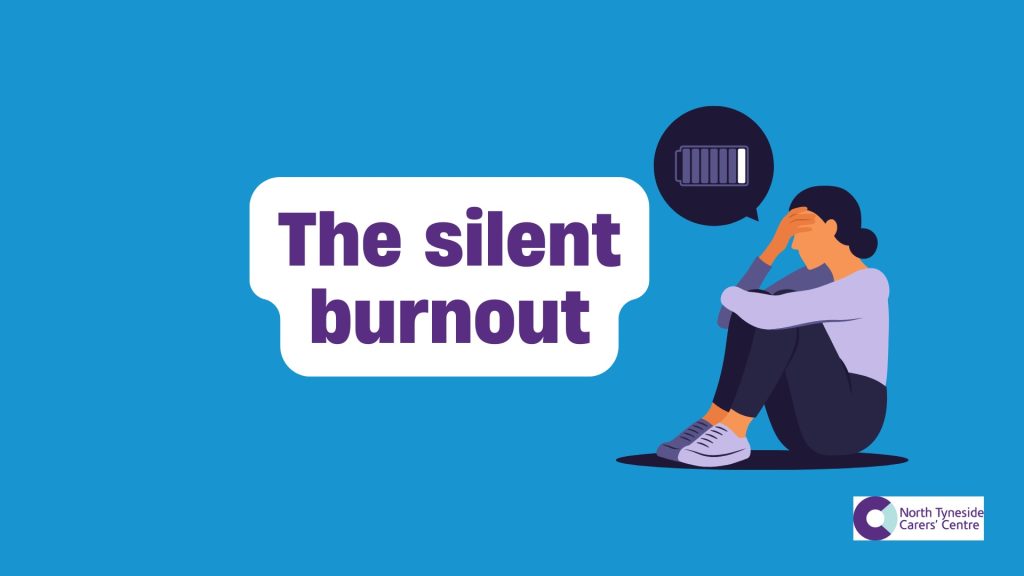
Being a carer can be one of the most meaningful roles you will ever take on but it can also lead to emotional exhaustion.
People might think of burnout being a one off event, but in reality it can be something that builds quietly in the background over time.
This month we are focusing on the mental health of carers and specifically how to spot the signs of burnout and avoid it.
What does burnout mean? It can look like constantly feeling tired, even after rest. Irritability over small things. Emotional numbness. Guilt for wanting time alone. A sense that you’re always coping, but never truly okay.
This is the silent burnout so many carers experience and too often, it goes unnoticed until the weight feels overwhelming.
We know that carers feel the pressure to “just keep going” and to always put someone else first.
However, just getting through each day does not mean your mental health is protected. Emotional exhaustion is real. When your own wellbeing is continually pushed aside, stress can become chronic, affecting not only your mental health, but also your physical health, relationships, and ability to continue caring sustainably.
This is why spotting the signs early matters. Some common signs include:
- Feeling emotionally drained most of the time
- Losing patience more easily than usual
- Struggling to sleep or switch off
- Withdrawing from friends or support networks
- Feeling guilty when prioritising yourself
- Believing you have to manage everything alone
If any of these feel familiar, you are far from alone and support is available. Getting help is not a sign of failure, it is a sign that you are an amazing carer because unless you look after yourself, you won’t be able to look after someone else.
The good news is there are some practical steps you can take to make things better. First thing to do is to speak to your GP, and this is a good time to make sure you are registered as a carer with your practice.
You might also want to speak to family and friends to let them know how you are feeling. Taking this step might make people around you more thoughtful about what they ask of you.
Take a look at your day to day life and see if there are some opportunities for small breaks. Just a few minutes away from caring and your daily jobs can make a difference.
Speak to us at North Tyneside Carers’ Centre. We have a team of people who are on the end of the phone or email who can talk you through support available and make sure you are not alone. We also have some amazing support groups for carers which meet monthly and provide conversation and time away with people in the same boat.
In the longer term, one important step is to make space outside of your caring role for your own life and identity. Watch this space because we will be covering this topic soon.
The fact of the matter is that you cannot pour from an empty cup and being a great carer does not mean doing everything perfectly. It means you understand that your own needs matter too.
Let’s talk more openly about burnout, compassion fatigue, and the importance of caring for carers, not just when things become unmanageable, but from the very beginning.
If you are a carer and would like to talk about your situation, get in touch.
0191 2496480